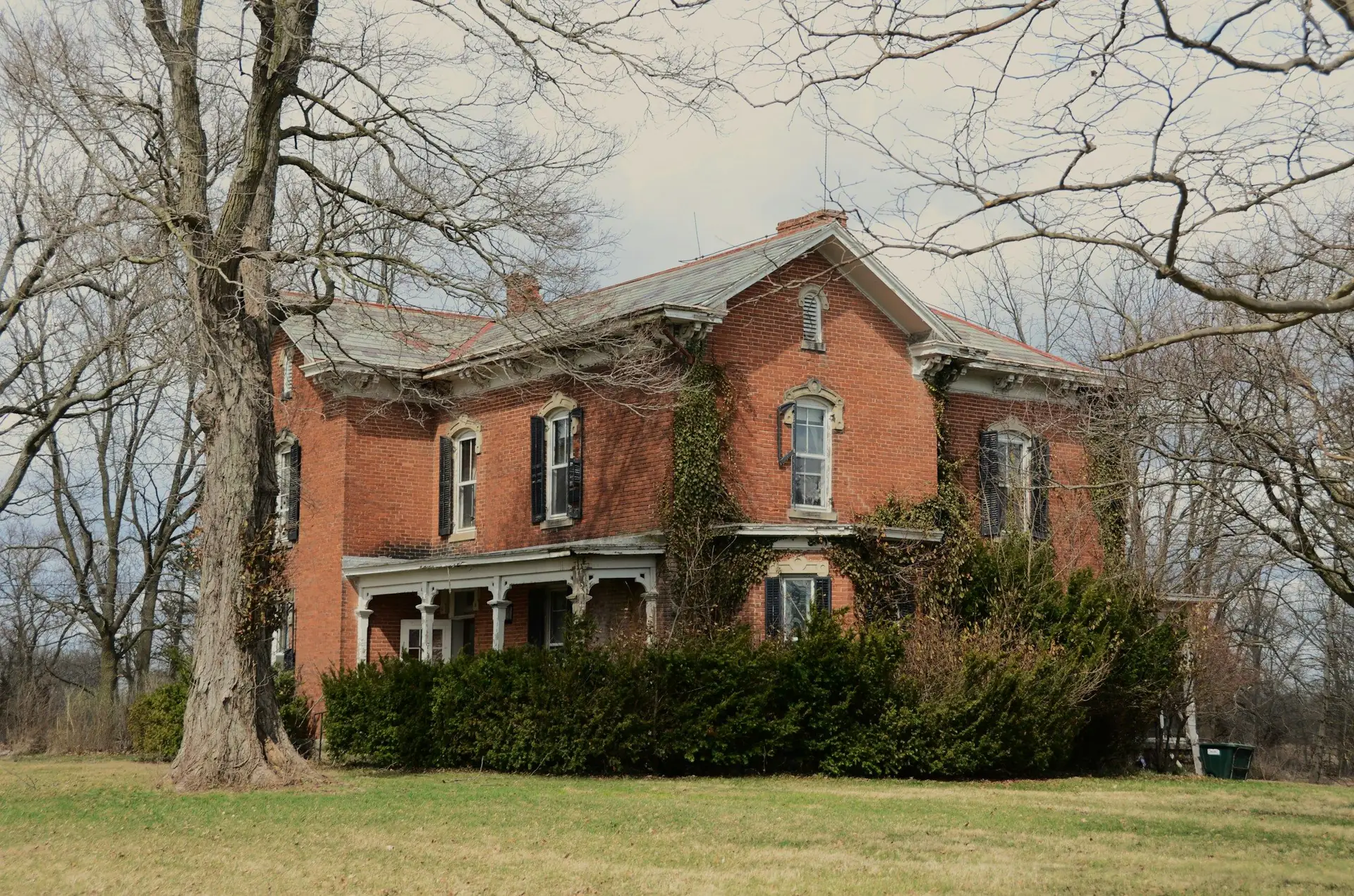
Wiring: knob-and-tube and aluminum
Knob-and-tube wiring was used from the early 1900s to the 1940s. Ontario's Electrical Safety Authority says it is safe if a licensed electrical contractor has properly maintained it, but many insurers will not insure or renew a home that has it, or require it replaced first. Homes built from the mid-1960s to the late 1970s may have aluminum wiring, which the ESA says is safe with proper connections and devices approved for aluminum; some insurers want an ESA inspection.
Either way: have a licensed electrical contractor assess the system, and get an insurance quote before your conditions expire.
Oil tanks
Ontario requires an unused underground fuel oil tank to be removed, only by a TSSA-registered petroleum contractor, and the owner pays for it. An approved above-ground tank has no fixed replacement age as long as it is not leaking. Ask the seller directly whether there is, or ever was, a buried tank.
Vermiculite and other old materials
Loose, pebble-like vermiculite insulation in an attic or wall may contain asbestos. Health Canada's advice is not to disturb it or remove it yourself, not to use the attic for storage, and to hire trained professionals for any renovation that would disturb it. Price that into any renovation plan.
Lead pipes and radon
Canada's plumbing code allowed lead pipes until 1975 and lead solder until 1986. A lead service line is a soft, grey-black metal that scrapes easily. The municipality can often tell you whether the street has lead service lines; Health Canada recommends replacing them as the permanent fix.
Radon is a natural gas that can build up in basements anywhere. Health Canada's guideline is 200 becquerels per cubic metre, with a long-term test of three to twelve months, at least 91 days of it in the heating season. A test cannot finish inside a normal condition period, so plan to test after you move in and budget for mitigation if needed.
Heritage designation
Under the Ontario Heritage Act, a municipality can designate an individual property (Part IV) or a heritage conservation district (Part V). Alterations that affect a designated property's heritage attributes need the council's written consent, and exterior changes in a district usually need a permit. The municipal heritage register can also list properties that are not designated; an owner must give council 60 days' notice before demolishing a listed building. Ask the municipality whether the house is on the register before you plan a renovation.
Before you move ahead
- Home inspection condition in the offer
- Licensed electrical contractor's assessment if there is knob-and-tube or aluminum wiring
- Insurance quote before conditions expire
- Seller's answer in writing on any buried oil tank
- Attic check for vermiculite
- Ask the municipality about lead service lines and the heritage register
- Radon test after you move in
General information for Ontario buyers and sellers, current as of September 26, 2026. It is not legal, tax or financial advice. Rules and rates change, so confirm the details for your own purchase or sale with your lawyer, lender or accountant.
Sources
- Electrical Safety Authority: knob and tube
- Electrical Safety Authority: aluminum wiring
- TSSA: storage tank FAQs
- Health Canada: health risks of asbestos
- Health Canada: what about lead
- Health Canada: radon guideline
- Health Canada: guide for radon measurements in homes
- Ontario: municipal register of heritage properties
- Ontario: conserving a designated property